02 2SCALE IN A NUTSHELL03 Timeline04 our numbers05 our goals06 our culture07 women as backbone08 Empowering youth09 Case study - Nigeria10 Case study - Mali11 Case study - Benin12 challenges13 lessons learned2SCALE MAGAZINE OCTOBER 2024INTRODUCINGOCTOBER 20242SCALE MAGAZINE-
learn more about our pillarswatch the videolisten to the letterNigeriaMaliBÉNINMISSIONVISIONCORE VALUES2SCALE, or "Toward Sustainable Clusters in Agribusiness through Learning in Entrepreneurship," is leading the way in innovative, inclusive agribusiness. Through its robust portfolio of public-private partnerships (PPPs), the program supports business champions, SMEs, and farmer groups, helping them produce, process, and distribute high-quality food products across local, national, and regional markets. The focus is on reaching marginalized communities, especially those at the base of the pyramid (BoP). The 2SCALE approach is a that seeks to build in sub-Saharan Africa, with agribusiness clusters at its core. These clusters are designed to enhance collaboration among value chain actors, fostering innovation, improving market access, and promoting adoption of sustainable agricultural practices. market-driven initiativeinclusive agribusiness partnershipsThrough these clusters, 2SCALE supports the co-creation of solutions that address specific market and production challenges, ensuring that all value chain actors, including smallholder farmers, women and youth, benefit from the economic opportunities generated. By facilitating these partnerships and strengthening agribusiness clusters, 2SCALE aims to – including those at the Base of the Pyramid, create jobs, and drive economic growth. Central to 2SCALE's values is the concept that 2SCALE functions as a catalyst, not the cause of the change. across Sub-Saharan Africa and the MENA region, 2SCALE enhances food security, economic growth, and gender equality in the agricultural sector. These initiatives transform agricultural landscapes and strengthen community resilience worldwide. enhance food security for allOperating in 14 countries»we are the catalyst, not the cause«TWELVE YEARS OF GROWTH: EMPOWERING AFRICAN AGRICULTUREA LETTER FROM THE PROGRAM DIRECTORAs we celebrate , I am filled with a profound sense of pride and accomplishment. These years represent a significant milestone in our journey towards transforming inclusive agribusiness in Africa. This anniversary is not just a marker of time but a testament to the dedication, resilience, and innovation of everyone involved in the program. It highlights our collective efforts to create sustainable agribusinesses and improve the livelihoods of actors along the value chain—from producers to end consumers. We celebrate 12 years of incubation, acceleration, and management of a for the promotion of inclusive agribusiness in co-creation with inclusive enterprises in the agrifood sectors and industries. We celebrate 12 years of a diverse range of support services offered to agricultural producers and their organizations, as well as to micro, small, and medium enterprises, our champions, whose coaches have performed various functions along the value chains of the nutrition and food system. One aspect that makes me incredibly proud is the positive change we’ve brought to rural communities. The success stories of farmers increasing their yields and incomes, along with the growth of SMEs, are truly inspiring. As we commemorate this special anniversary, I encourage everyone to read this magazine. It is more than just a collection of articles; it is a celebration of our shared achievements, adaptive management to overcome challenges, and a source of inspiration for what we can accomplish together. Through the stories and insights within, I hope you will find a renewed sense of purpose and commitment to advancing sustainable agriculture. and be a part of the change we are creating across Africa.12 years of 2SCALErich and diversified portfolio of public-private partnerships (PPP)Join us in this journey2SCALE IN A NUTSHELL
20062012201320182019202120222023IMPLEMENTED BYPhase #1Bopinc, iCRA, IFDCPhase #2Bopinc, IFDC, SNVFunded BYthe 10th anniversary videoread moreINCLUSIVE AGRIBUSINESS CLUBSAll program targets (except one) were achieved and the Inclusive Agribusiness Clubs were initiated in all countries to drive inclusive growth.YOUTHIntroduced the Global Youth Mentorship Program to empower youth in their personal and professional development.FORMALIZATION OF PPPSThe formalization of all public-private partnerships was completed.A NEW ERAPhase 2 began with an emphasis on scaling BoP marketing, integrating sub-sector systems, focusing on youth and women's economic empowerment, and promoting eco-efficient agricultural practices.END OF PHASE 1The first phase of 2SCALE concluded with documented lessons and a one-year cost extension granted by DGIS, leading to the design of Phase 2.THE BOP ANGLEThe first Base of the Pyramid (BoP) pilot projects sees the light of day. The goal? To design, introduce, and test products for BoP consumers using innovative marketing and distribution strategies.THE REAL BIRTHOfficially launched 2SCALE, focusing on developing agribusiness clusters (ABCs), empowering business champions (BCs), and fostering public-private partnerships (PPPs).THE FOUNDATIONThe journey began with the "From Thousands to Millions" program, initiated by DGIS and implemented by IFDC, to promote private sector-led agricultural growth.A LONG JOURNEY OF EFFORT AND COMMITMENT
view mapread more130+PARTNERSHIPSpartnerships since the beginning8,188MSMESMSMEs accessing additional financial services216INNOVATIONSnon-farming innovations adopted41%SMESfemale-led SMEs driving inclusive business22,572ME/SMEmicro-entrepreneurs/SMEs associated with partnerships52,581JOBS non-farming jobs created in targeted agribusiness clusters and value chains1,918,619BOPBoP consumers reached with improved access to affordable food products 14COUNTRIESin which 2SCALE has been active1,811,980FARMERSsmallholder farmers achieved improved agricultural productivity and market access837SMESSMEs driving inclusive business in target industries453,481HECTAREShectares cultivated with eco-efficient farming practices€93,796,306TOTAL VALUEtotal financial value of additional services accessed by smallholder farmers, micro-entrepreneurs, and SMEs2SCALE IN NUMBERS
read moreread more (chapter 1,8)read moreread more»Strengthens local economic stability and empowers youth and women to participate«INTEGRATING GOALS WITH A GLOBAL VISION2SCALE's goals are carefully planned and fit into a bigger vision. To move the organization forward, 2SCALE follows a detailed plan that aligns its mission and values with the Sustainable Development Goals (SDGs). These goals are part of the 2030 Agenda for Sustainable Development, adopted by all United Nations member states, , and adhere to a fundamental yet profound principle: achieving "peace and prosperity for people and the planet." This principle is at the heart of 2SCALE's work. Eradicating hunger: a path to prosperityZero Hunger (SDG2) is crucial for 2SCALE as it directly aligns with the organization's mission to promote sustainable and inclusive agricultural growth. Achieving SDG2 requires and , particularly among the most vulnerable populations. This means giving smallholder farmers access to resources like finance, markets, and land. But it's not just farmers who need help. Business champions, such as small and medium-sized enterprises and farmer groups, also have the potential to produce quality food for local and regional markets if they receive the right support. This, in turn, positively impacts the base of the pyramid. That’s the real meaning of SDG2: ending hunger not only improves lives but also boosts economic growth and ensures that no one is left behind. addressing food securityandnutritionempowering farmersWomen at the forefront: driving inclusive growthSDG5, which focuses on gender equality, became crucial in the second phase of 2SCALE as it directly aligns with the organization's mission to promote inclusive and sustainable agricultural growth. Integrating gender equality into core activities is now a standard practice. This involves setting clear targets, such as ensuring that 50% of the farmers are women and 40% are youth, increasing the number of women-led businesses, and transforming the working conditions of women in the food chain with better pay and better environments. The goal is to create a more equitable agricultural sector where , participate in governance, and share their challenges and successes. This not only improves the lives of women but also strengthens the overall community and economy. Women’s participation in governance meetings, where they can voice their concerns and contribute to decision-making, exemplifies the transformative impact of gender equality. Thus, SDG5 is essential for achievingwomen have access to financea more inclusive, fair, and prosperous agricultural landscape. SDG2Building strong partnerships: the key for sustainable development2SCALE's mission reflects SDG17 by focusing on practical partnerships for sustainable development. Through its inclusive agribusiness initiatives, 2SCALE works with private enterprises, farmer groups, and other stakeholders in Sub-Saharan Africa and the MENA region. These partnerships boost economic growth and agricultural productivity while improving local livelihoods. By revitalizing global partnerships, 2SCALE shows can address real-world challenges and achieve meaningful, sustainable outcomes for communities worldwide.collaboration between different sectorshow SDG17SDG5Innovative livelihoods: strengthening local economiesFostering resilient and sustainable economic activities in rural areas is a key goal for 2SCALE, making SDG11, focused on sustainable cities and communities, relevant. The aim is to and expand livelihood options beyond traditional farming. This approach strengthens local economic stability and empowers youth and women to engage in entrepreneurship, creating more sustainable and inclusive communities. By exploring new economic opportunities and supporting diverse businesses, communities can adapt to changing agricultural conditions and achieve long-term economic stability. enhance economic resilienceSDG11
0102030405→Adeleke Olumide FaborodeInclusive Agribusiness Advisor/BoP Marketing Specialist»We are a remarkable team of purpose-driven professionals dedicated to excellence and teamwork. Diversity flourishes within this cohesive group.«Agnes AnyawenInclusive Agribusiness Advisor/BoP Marketing Specialist»We collaborate to develop innovative, sustainable, and inclusive solutions to our partners challenges. Our approach is impact-driven, emphasizing team development opportunities.«Alana Sebit OwotCountry Team Leader - South Sudan»Conducive, inclusive, and colla-borative: this defines our culture. We prioritize dialogue and feed-back between employees and program leaders. Our environment nurtures creativity, values ideas, and celebrates diversity under the motto: one team, one program.«George NjeruBoP Marketing Coordinator»Our working environment is vibrant, flexible, and encourages agility. Each person's input is highly valued, and adjustments are approached with respect and empathy. We're dedicated to fostering a learning and growth-oriented atmosphere that I eagerly anticipate each day.«Joy Ikojo BabaMonitoring Specialist»Our culture is supportive and optimistic, with approachable leadership and abundant learning prospects. It fosters inclusivity, recognizing diverse talents and leveraging them effectively.«Eva SanouGender equity and Women economic empowerment Coordinator»2SCALE's culture is not a one-size-fits-all approach but rather one that emphasizes understanding the context, bringing your expertise, and combining it with others to innovate. It's a culture of flexibility and adaptive innovation.«»Our environment nurtures creativity«
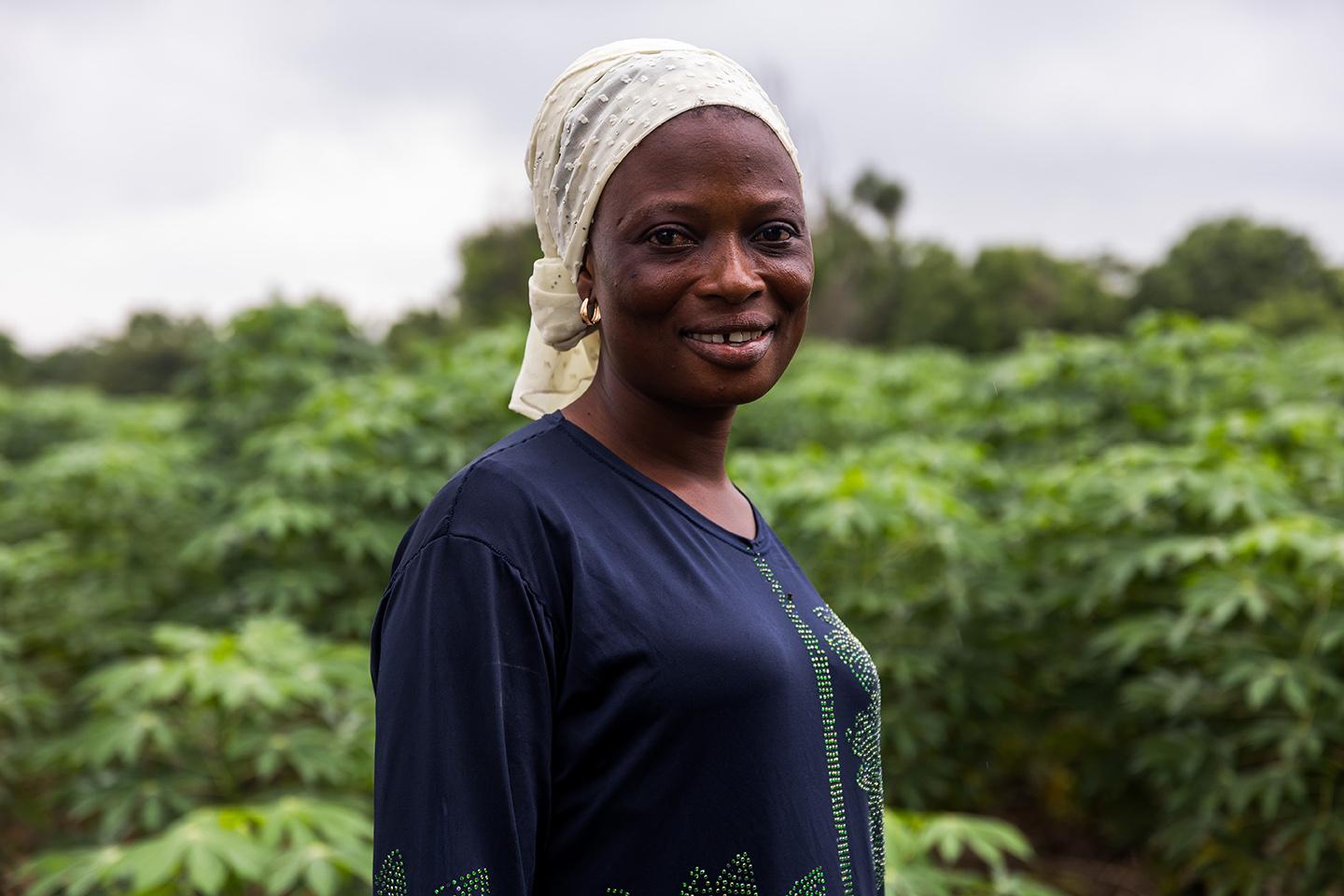
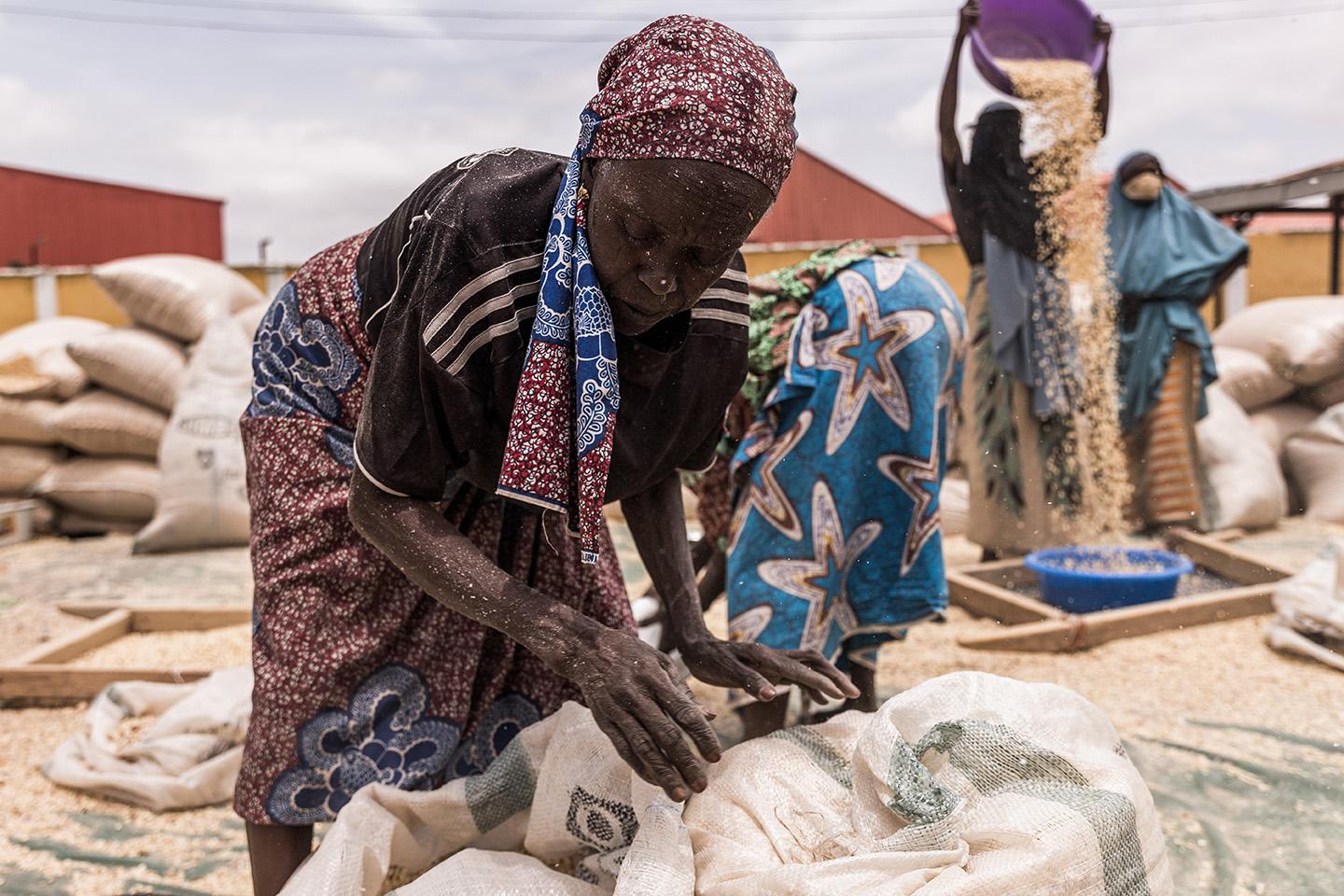
watch the videoLearn more about:AYA PROGRAMGENDER STRATEGY010203040506→WOMEN ARE THE BACKBONE OF AGRIBUSINESSA well-known African proverb states, “If you educate a man, you educate an individual. But if you educate a woman, you educate a whole nation.” This highlights the undeniable in building a better and more sustainable society. However, in 2024, this proverb is incomplete. Achieving gender equality requires the participation of both women and men. Educating women is essential, but is equally critical. This belief is central to 2SCALE’s approach, which views gender equality as a key to a prosperous and sustainable world. Women play an essential role in agriculture, often driving agribusiness clusters and food markets as primary buyers. They significantly boost productivity and efficiency in agricultural value chains. In developing countries, they produce 80% of household food, making them vital for food security. Despite their importance, women’s roles are often overlooked.value of womeneducating men to support and empower womenHow can we ensure women lead their own solutions? Their contributions come with challenges, such as balancing domestic and work duties, which results in longer working hours and fewer opportunities for skill development. Therefore, 2SCALE focuses on integrating women into all their programs, rather than creating a separate "women's program." Every team member is responsible for including gender considerations in their activities. This approach fosters a culture where gender equality is a fundamental part of the organization. The goal is to create a new era where diversity and equality drive agribusiness clusters and value chains. This approach not only boosts economic growth but also ensures a sustainable world where everyone can thrive.»If you educate a man, you educate an individual. But if you educate a woman, you educate a whole nation«-African proverb
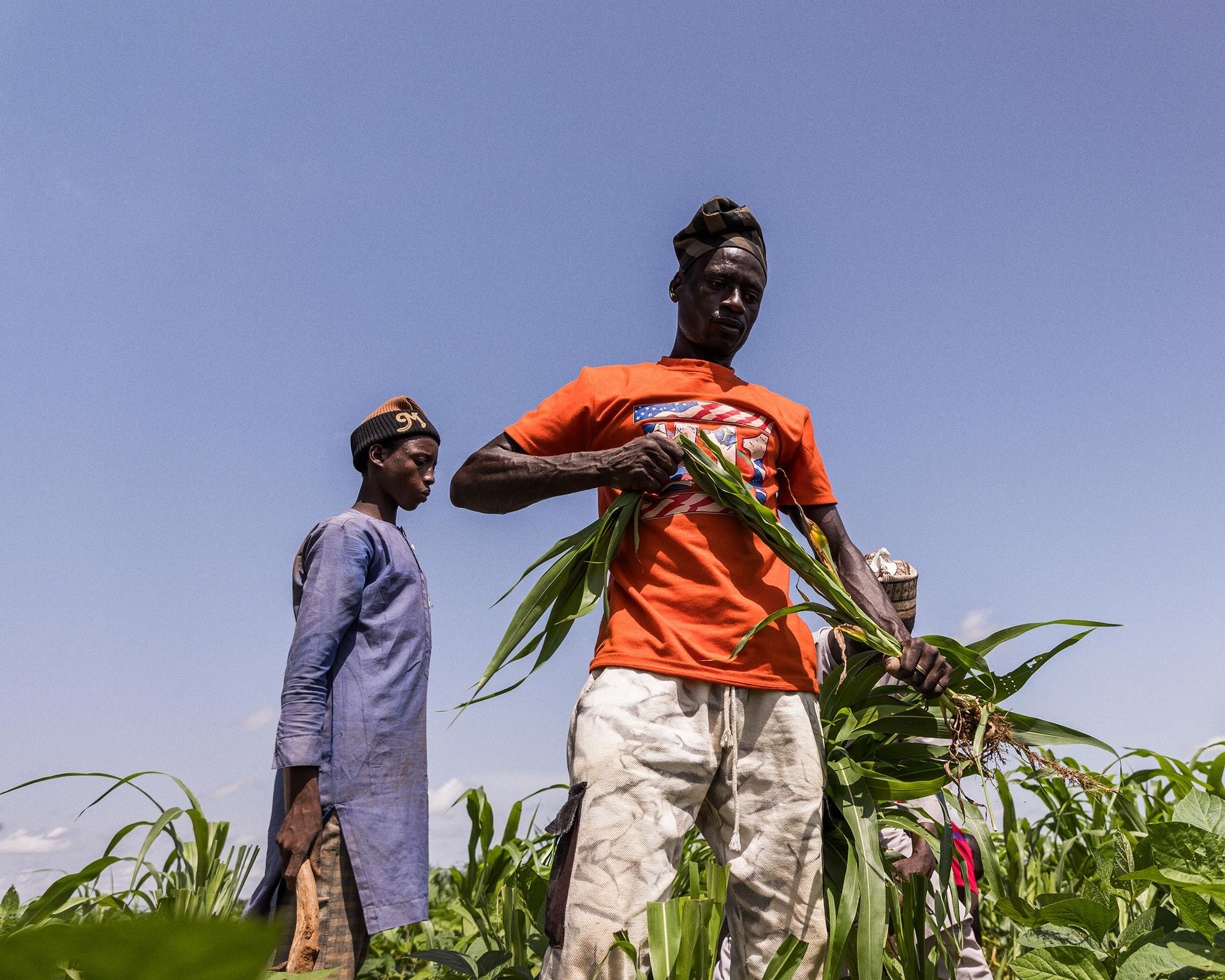
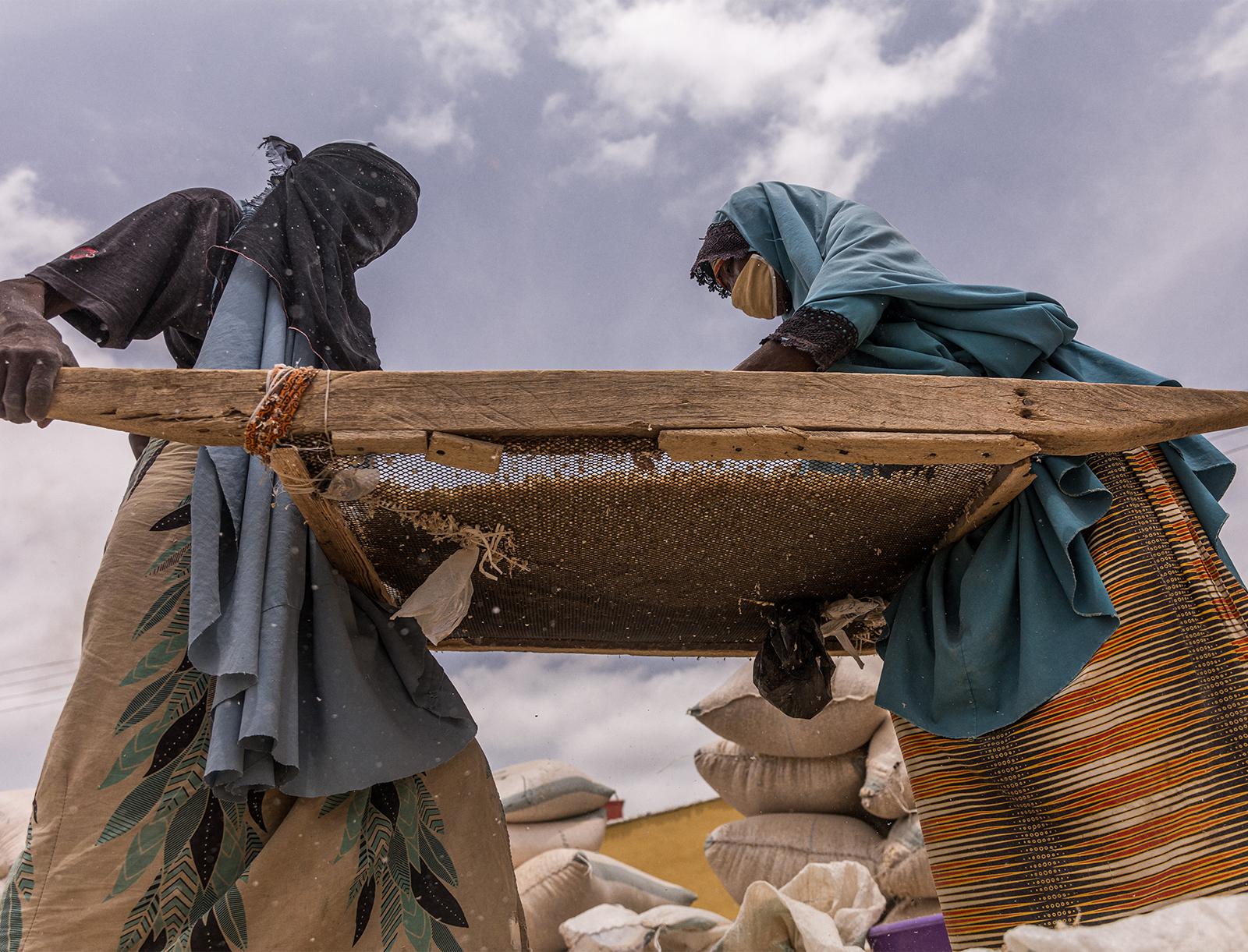
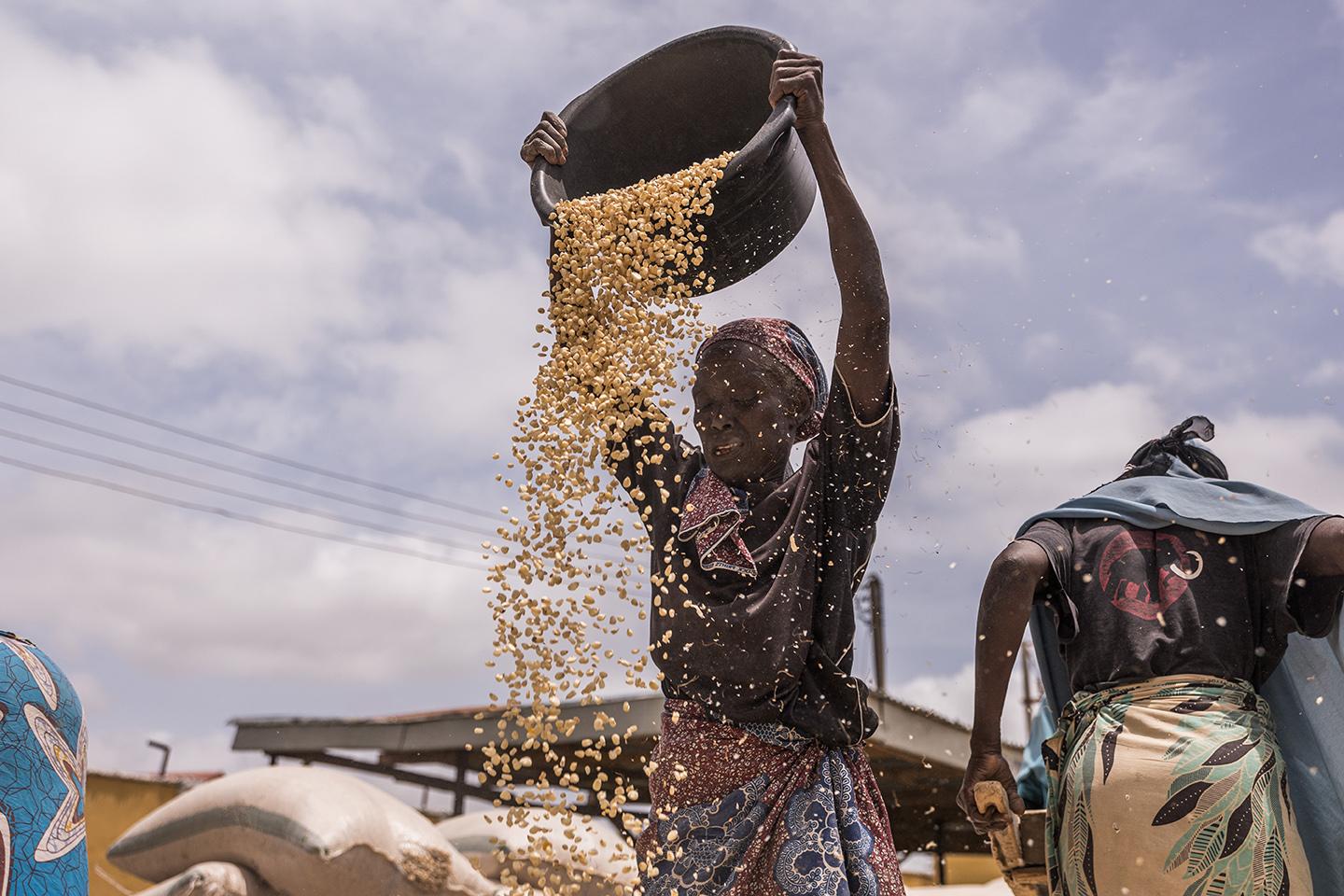
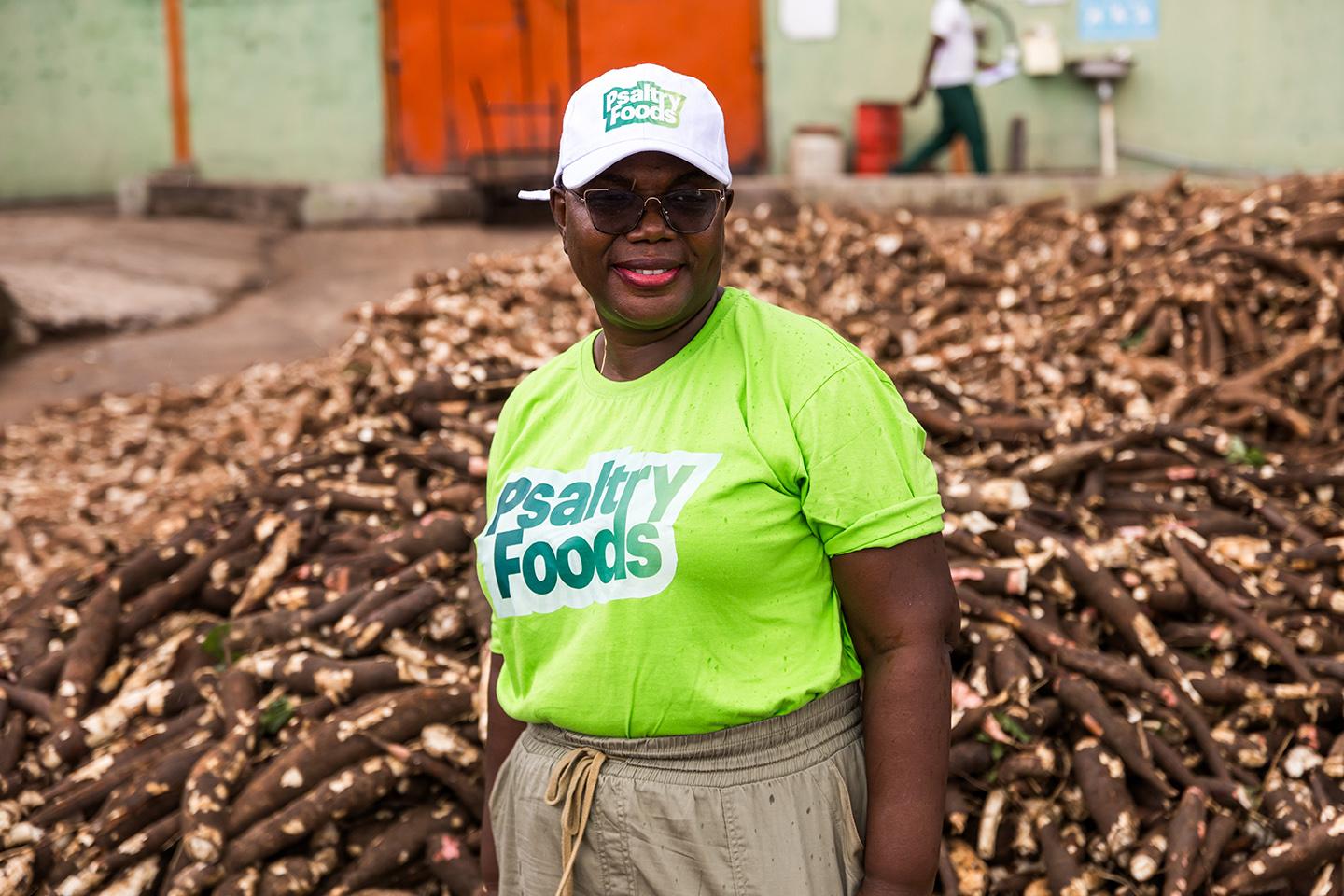
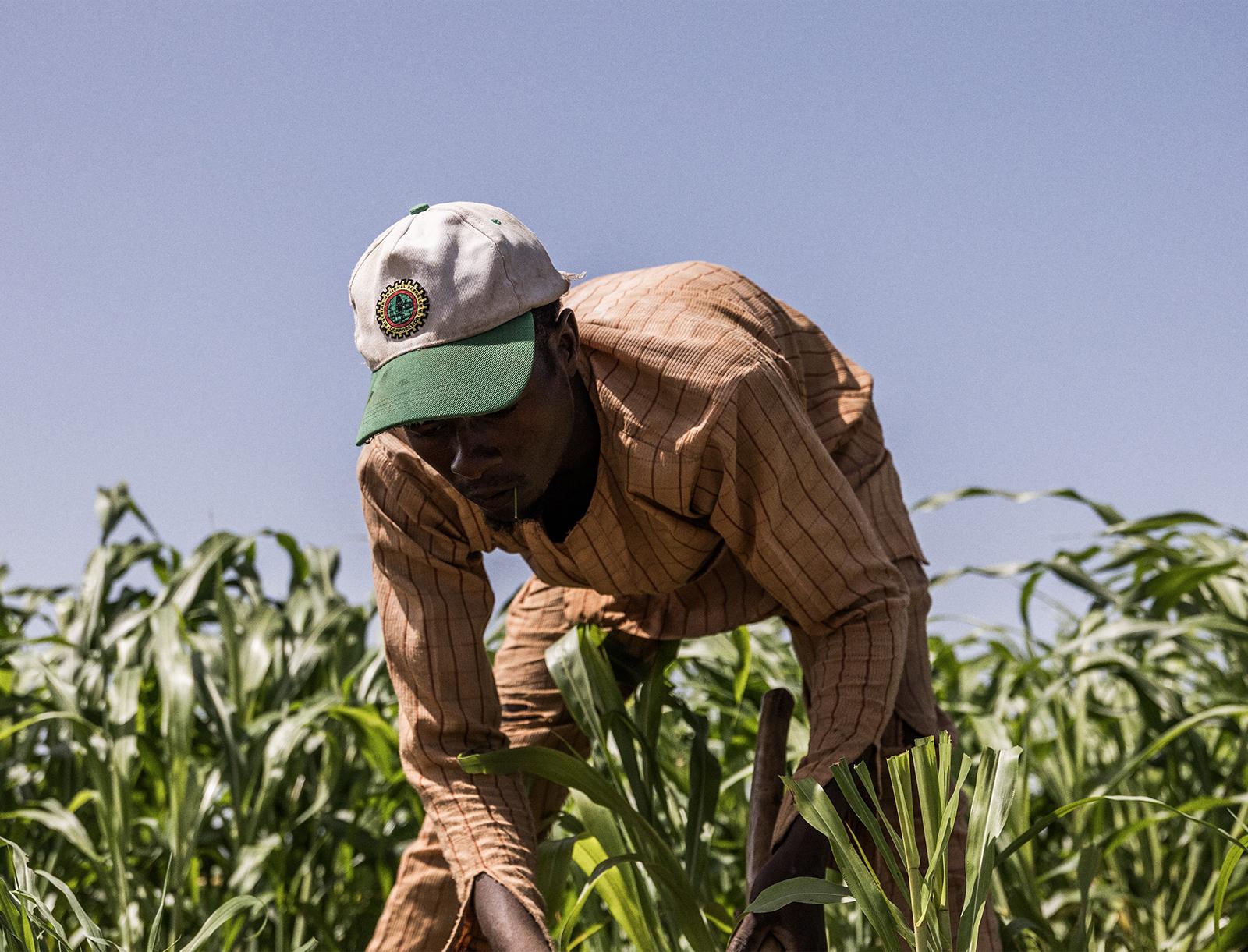
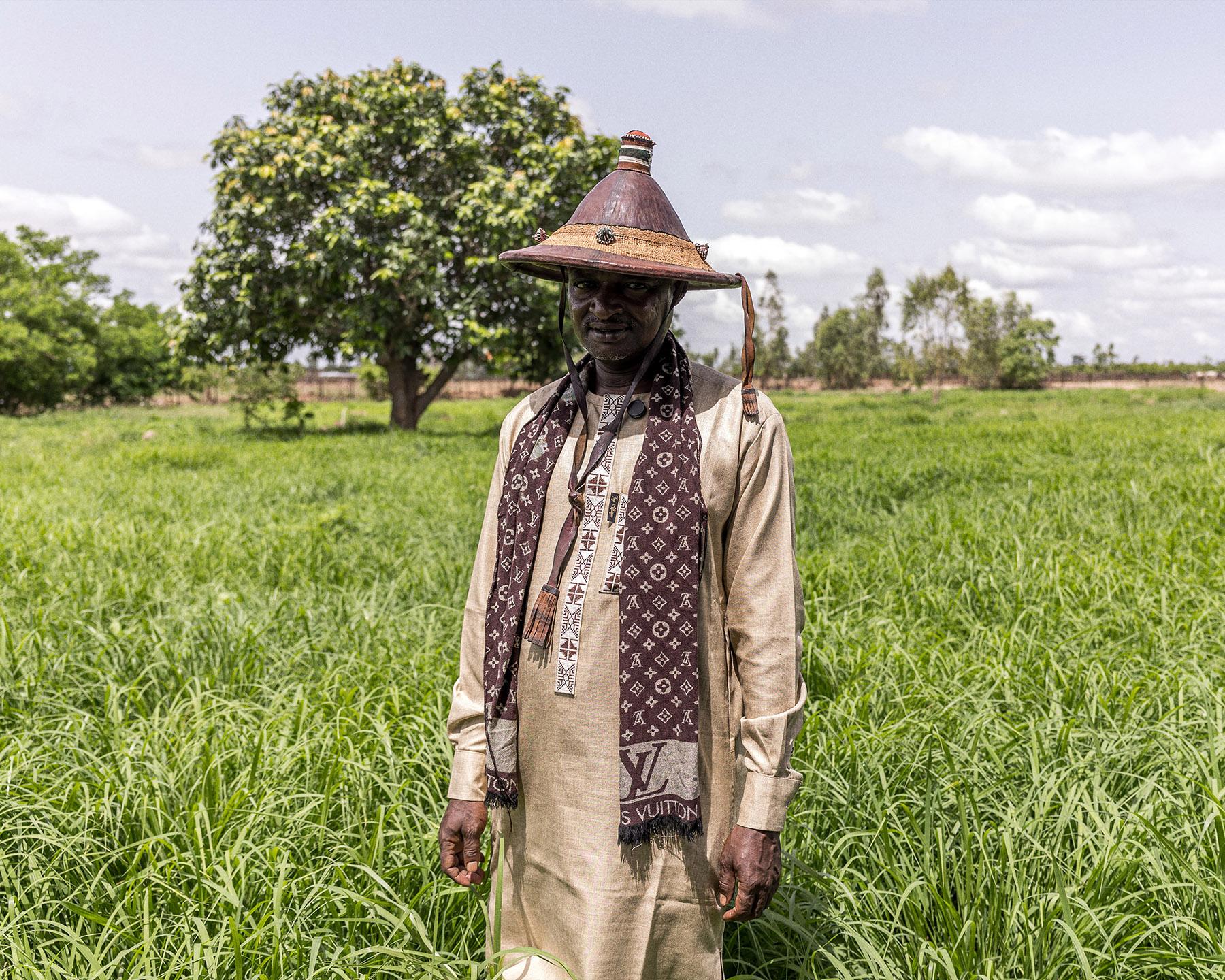
watch playlistlearn more about the partnershipwatch the videoREVIVING SORGHUM: A 2SCALE SUCCESS STORY IN NIGERIAThe Sorghum Public-Private Partnership (PPP) is a prime example of how the 2SCALE approach can transform agricultural sectors and improve the livelihoods of smallholder farmers. Launched in Nigeria's North Central zone, this collaborative initiative aims to revive the production of sorghum, a highly nutritious indigenous crop that has been a traditional food source for rural farmers for generations. Sorghum is versatile, providing food, fodder, raw materials, and cash income, making it an essential crop for these communities. The partnership connects local farmers directly with two aggregators, Nalmaco Nigeria Limited and Adefunke-Desh Nigeria Limited. By forming cooperatives and receiving targeted business coaching, farmers have gained the skills and organizational strength needed to negotiate better prices, access quality inputs, and secure written agreements with the aggregators. This structure not only ensures a reliable supply of high-quality sorghum for major multinational companies like Nestlé but also provides farmers with economic security and enhanced bargaining power.The PPP was urgently needed to address several critical issues. Farmers in the region were abandoning sorghum due to low market prices, exploitation by middlemen, poor yields, and lack of access to essential agricultural inputs. Additionally, the absence of organized farmer groups left them vulnerable to unfair practices, while women farmers were particularly marginalized, lacking the confidence and opportunity to participate in market negotiations. The achievements of the Sorghum PPP are significant. Before, the farmers were not organized in cooperatives or agribusiness clusters; they were working individually, which made it more difficult for them to access inputs, credit, or to increase their technical capacity. If before they were achieving 15,000 metric tons of sorghum annually, now they are able to reach 35,000 to 40,000 metric tons per annum. But it’s not only market access or the economic well-being of the farmers that have improved. The sorghum community has become an example of an empowered society. Through coaching and business support, farmers gained insights into cost analysis, allowing them to make informed decisions and strengthen their negotiation positions. Additionally, the project significantly boosted the confidence and leadership roles of women farmers, enabling them to participate effectively in negotiations and secure favorable terms, such as advance payments.»Agribusiness clusters changed the game for farmers«
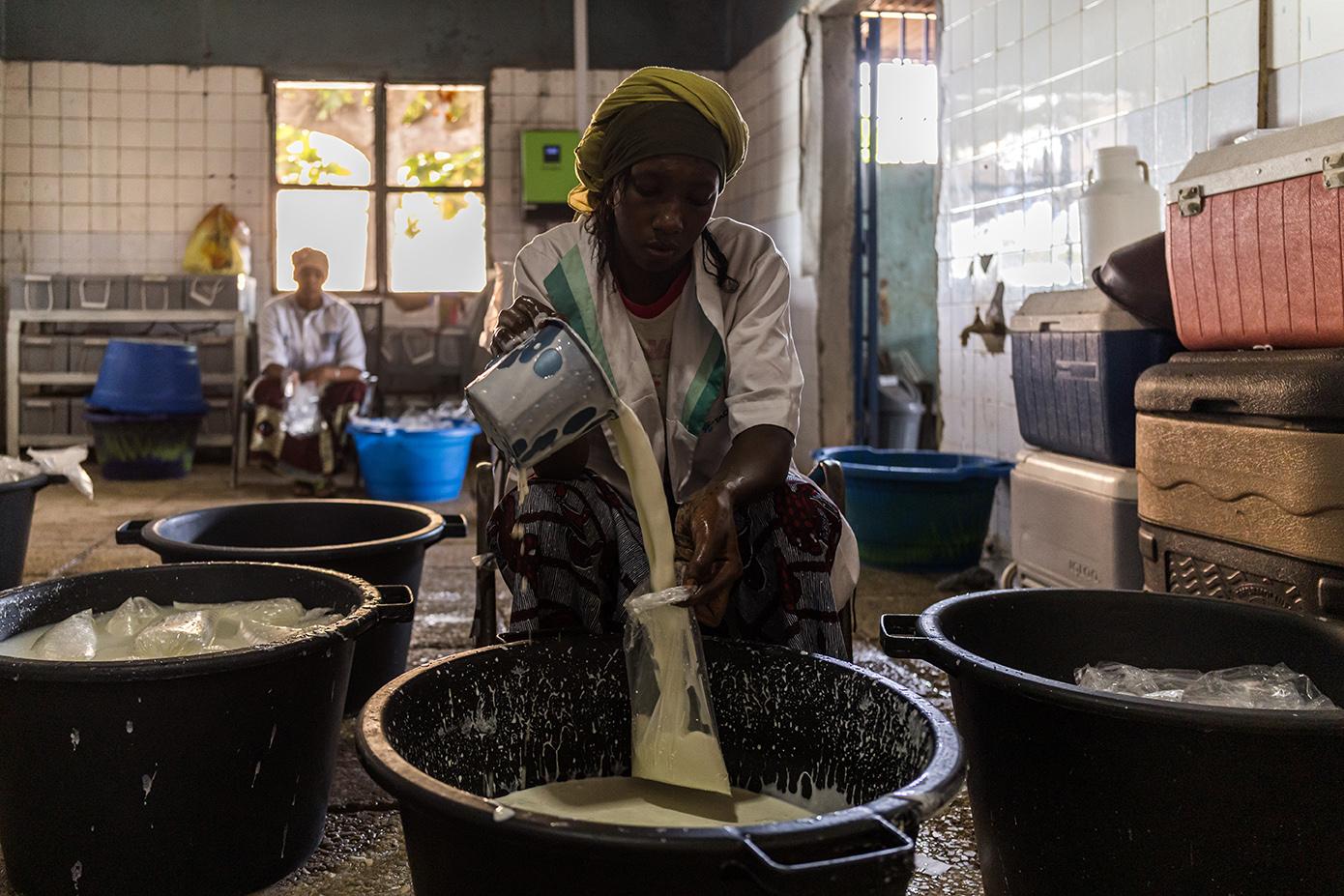
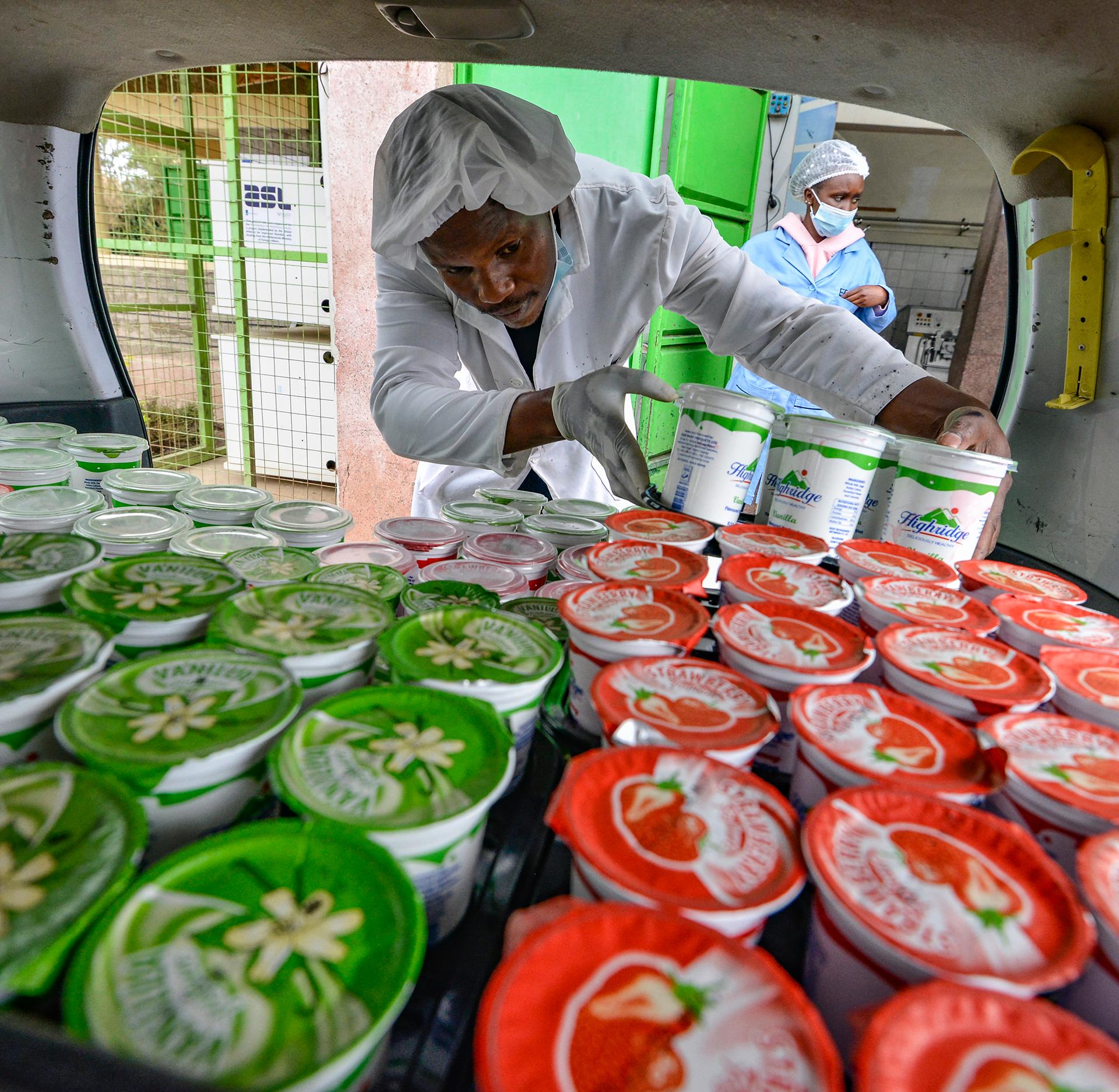
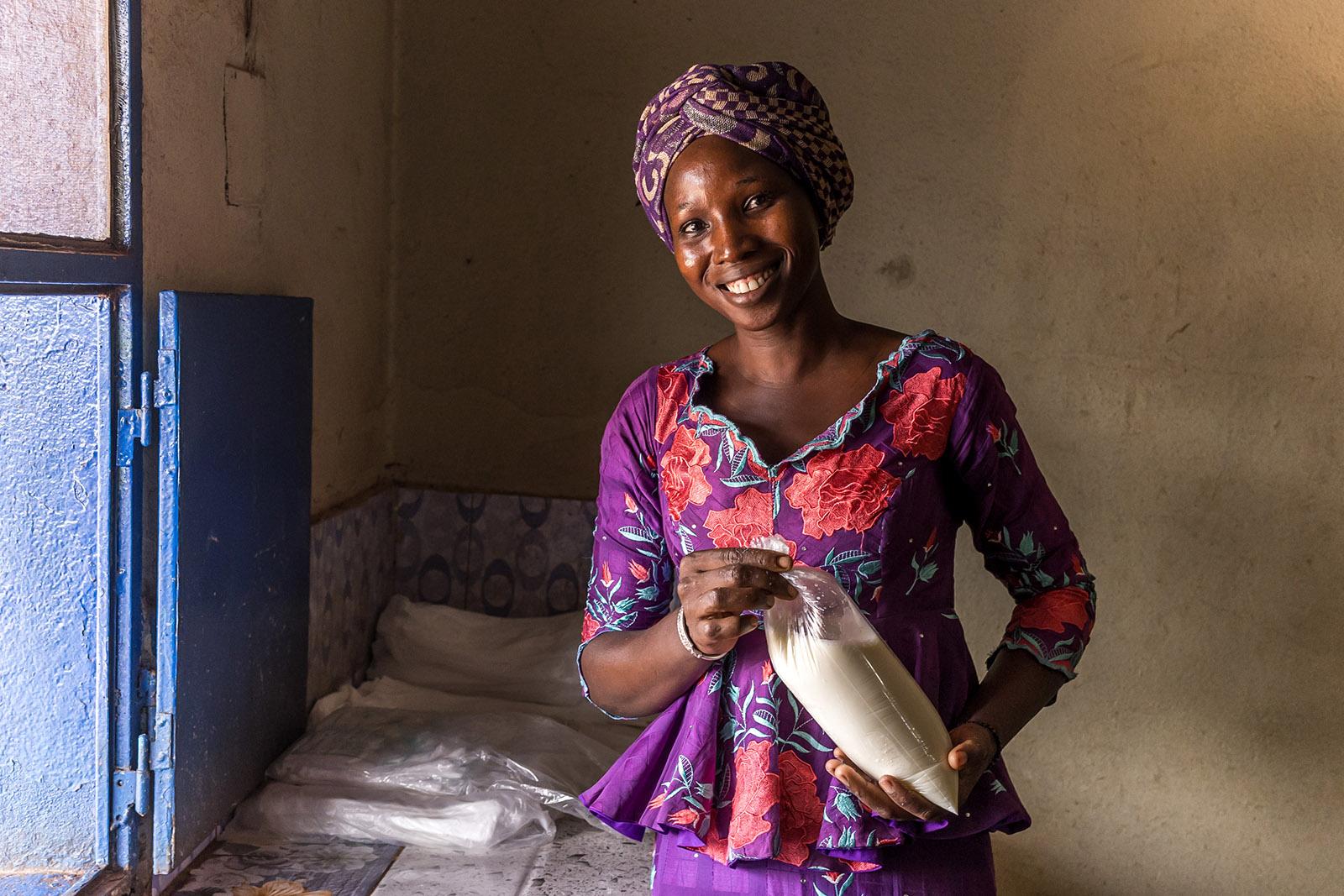
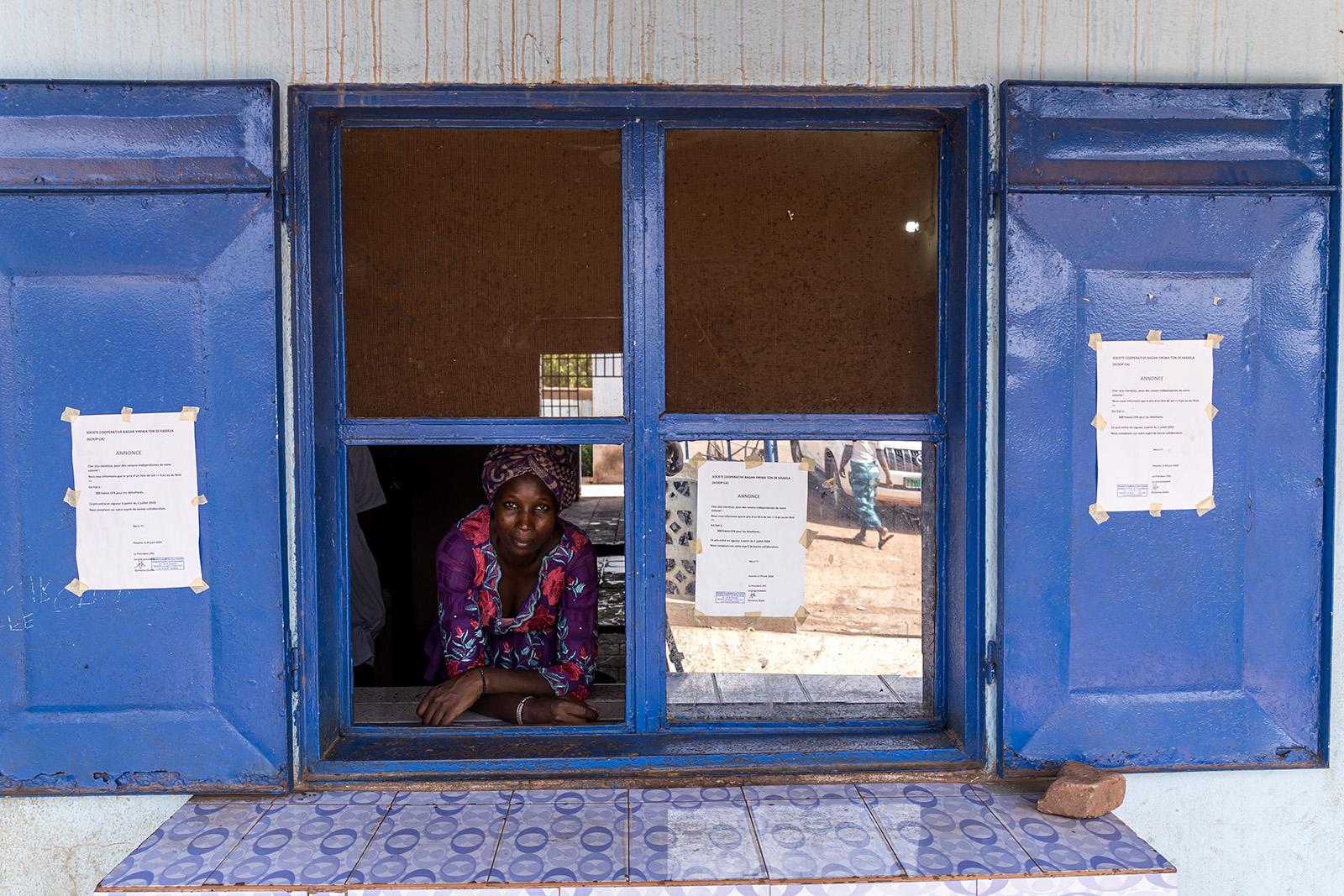
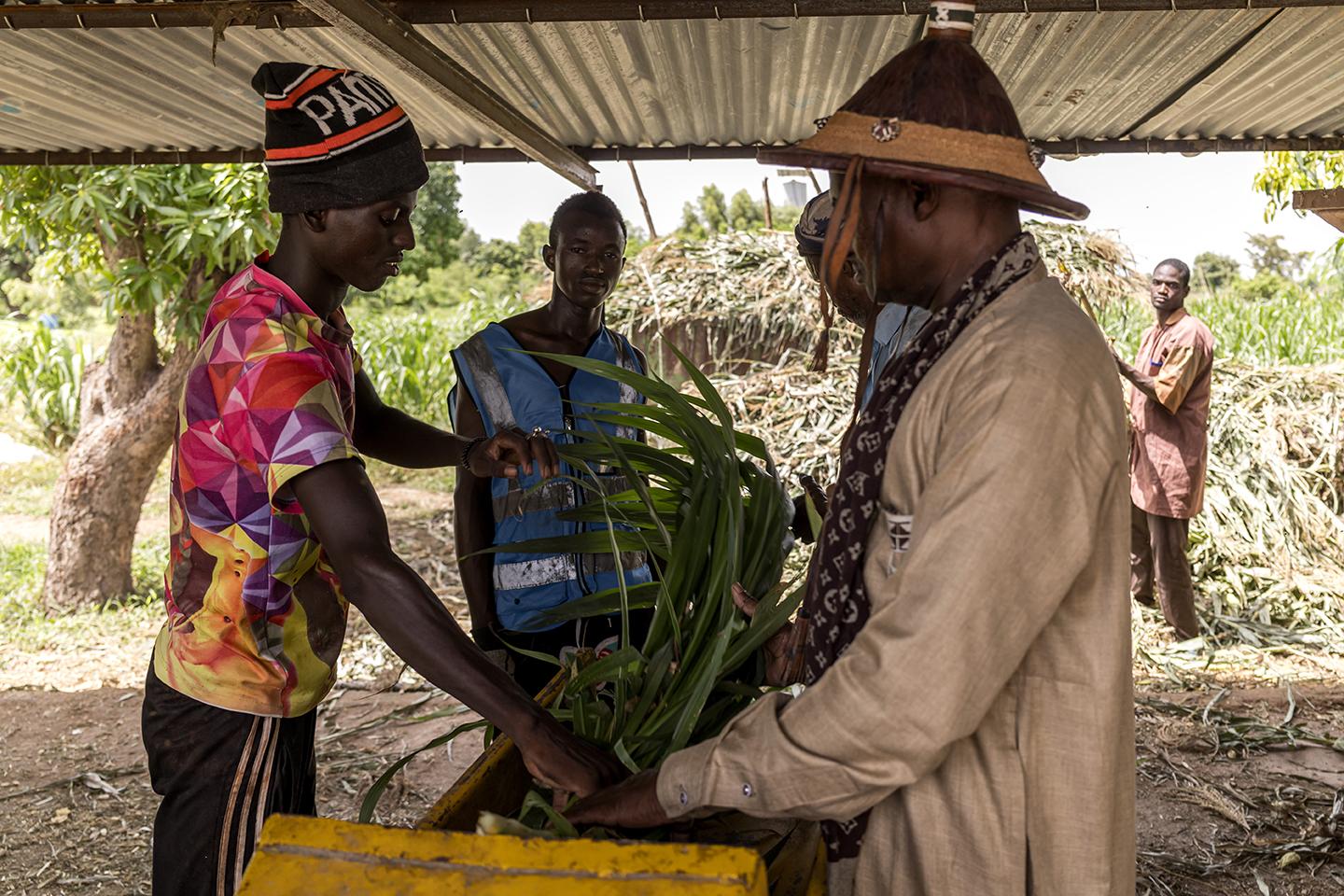
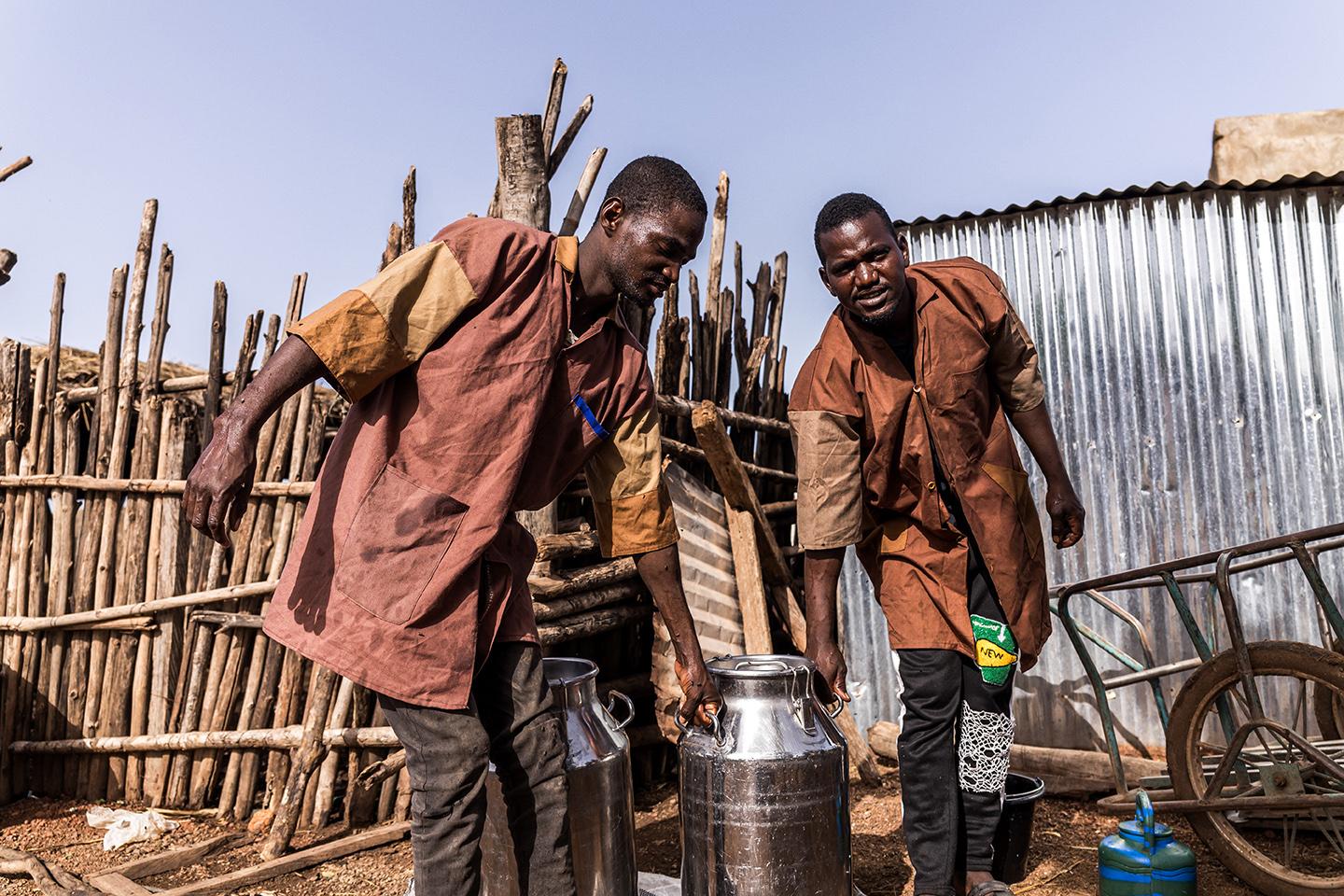
watch video #1watch video #2TRANSLAIT: A MODEL FOR INCLUSIVE GROWTH IN MALI'S DAIRY SECTORIn Mali, the Translait partnership is a shining example of the successful implementation of the 2SCALE approach, which focuses on inclusive enterprises to improve food access for low-income consumers, leading to The partnership aims to increase the availability of fresh pasteurized milk and other nutritious dairy products to 15,000 low-income consumers—a critical objective given Mali's significantly low annual milk consumption compared to recommended levels. Through 2SCALE, Translait Cooperative Union has made extensive efforts to These efforts include capacity building, market research, brand development, and training in product development and sales techniques. These initiatives culminated in the official launch of the revamped Translait brand in March 2022, marking a significant milestone in the local dairy industry. "Our ambition," said Mamby Diake, a BoP Marketing Specialist involved in setting up the partnership, "is to reach a production of 10,000 liters of milk per day within four years. We aim to increase milk production and consumption in Mali by ensuring easy access for consumers while also securing profitability for producers and resellers." tangible benefits for those at the Base of the Pyramid. enhance the local milk supply chain. This growth not only improves access to quality dairy products but also boosts income for local producers and retailers."The impact is significant for many reasons," Diake continued. "First, this partnership has ensured the production of quality milk, which provides essential nutrients for the population. Milk is crucial for health, as it contains vitamins and strengthens bones. Second, it has created jobs, particularly for women, who have gained employment or self-employment through the partnership. Third, it has fostered strong relationships with microfinance institutions and incubators, enhancing the capabilities of those involved and enabling them to generate more income through milk sales and processing."»Our ambition is to reach a production of 10,000 liters of milk per day within four years«
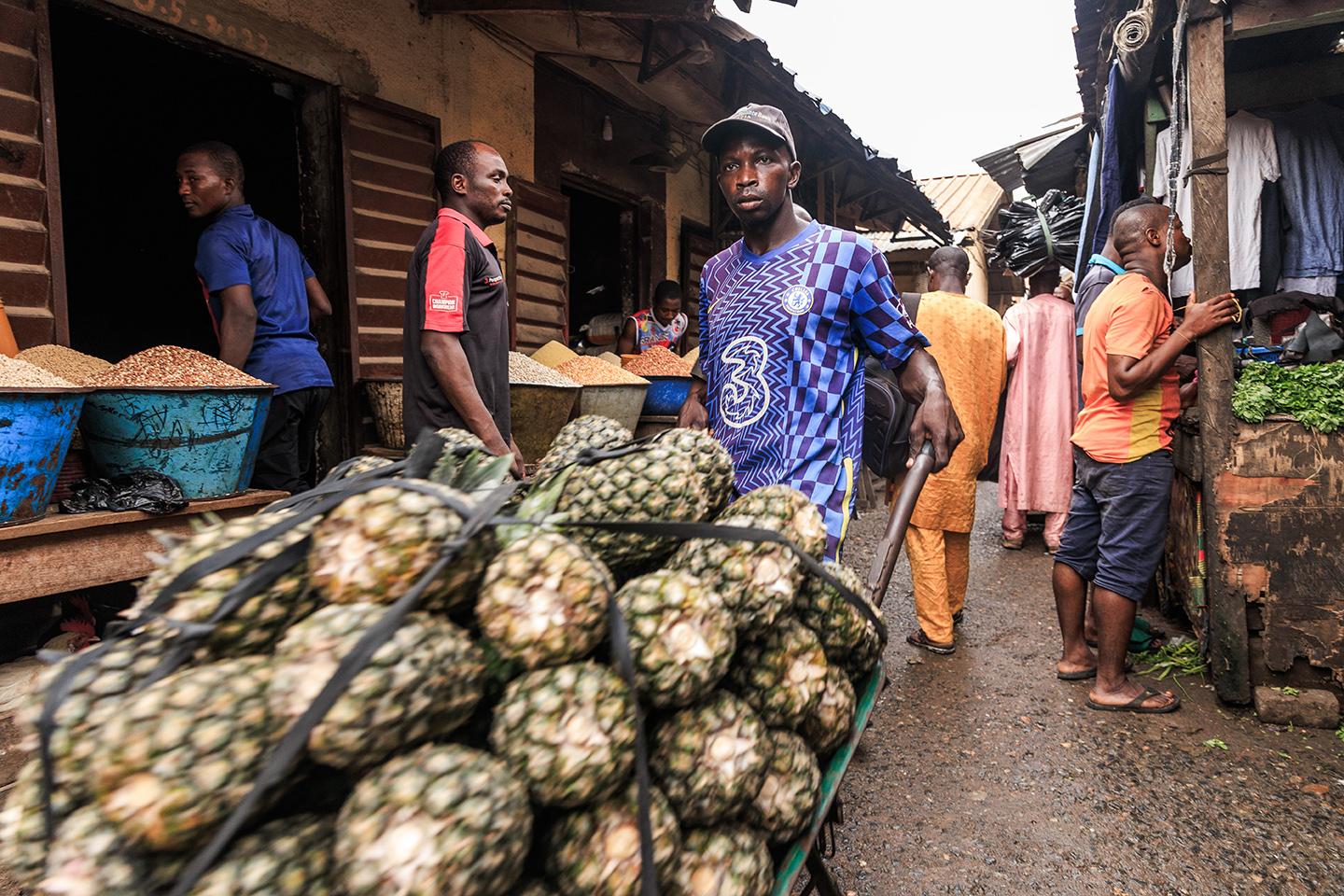
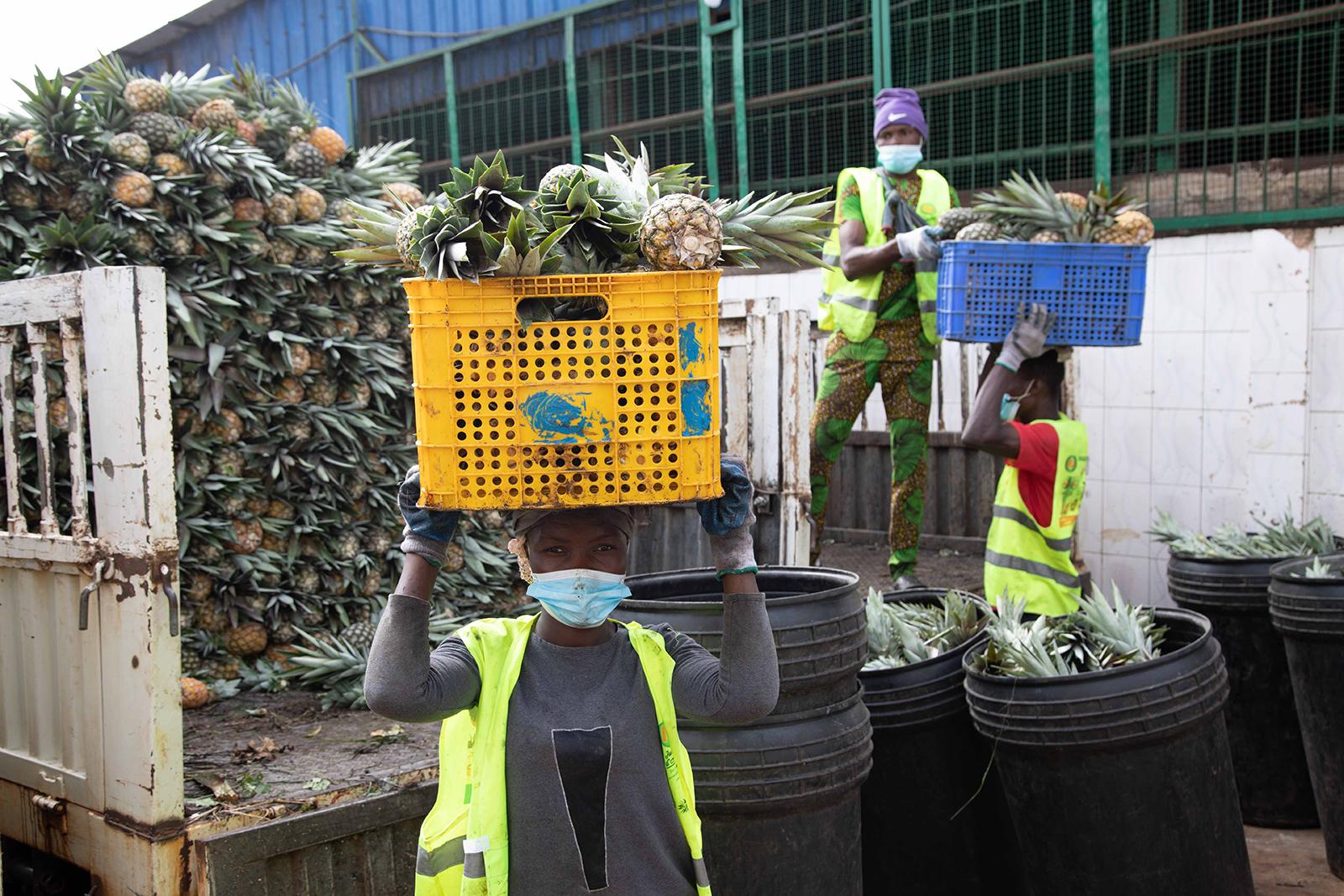
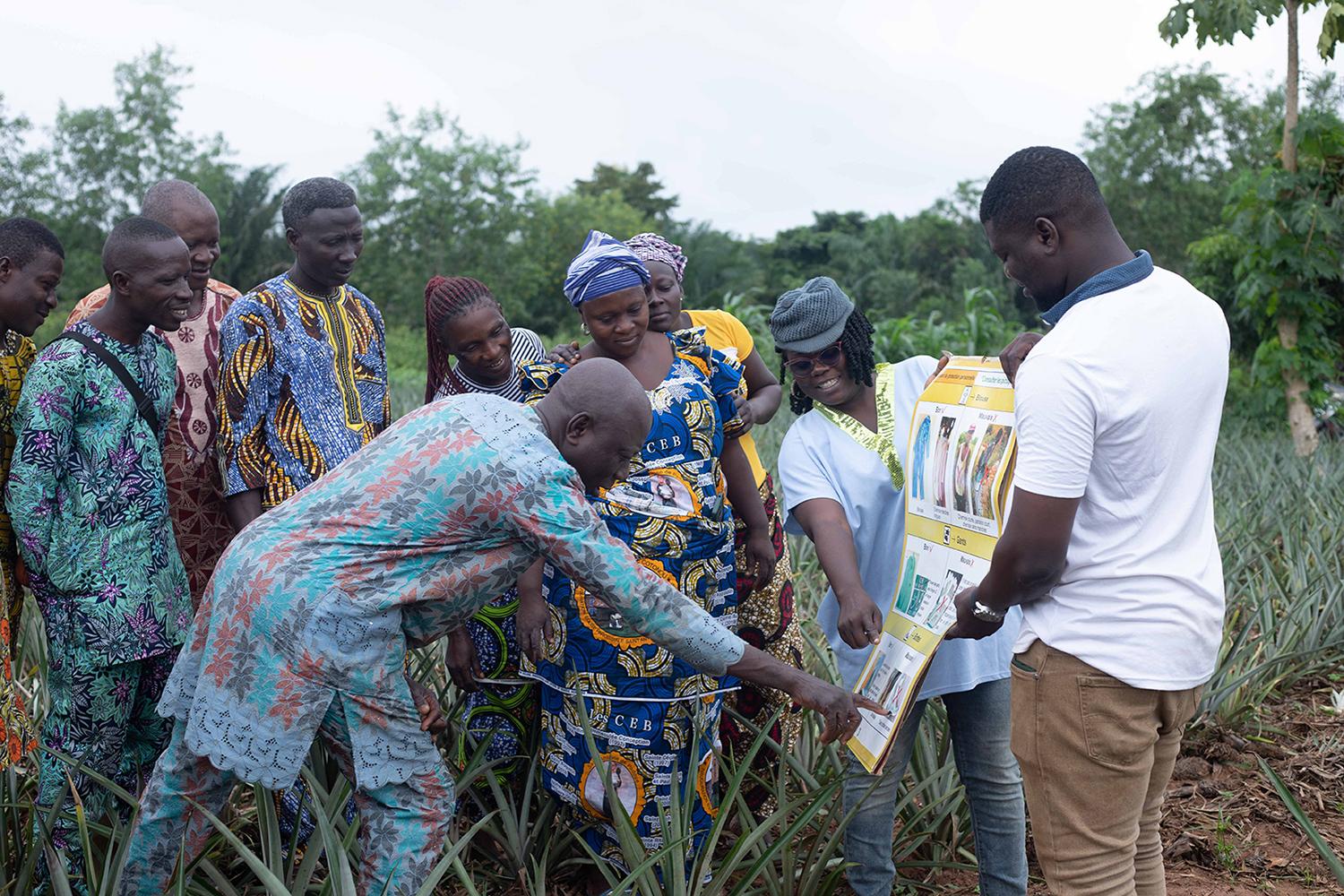
learn more about:the partnershipwatch the videoHOW PROMO FRUITS TRANSFORMED BENIN'S PINEAPPLE INDUSTRYAdditionally, the partnership focused on product diversification and market expansion, particularly targeting Base of the Pyramid (BoP) consumers. Promo Fruits developed consumer-friendly products, such as natural pineapple juice in various sizes, sold through innovative distribution methods like strollers and tricycles. This approach not only but also made to low-income populations, contributing to food security across the country. boosted salesnutritious products more accessible»The partnership created a platform uniting producers, suppliers and financiers to enhance operations«Inclusive agribusiness has the potential to empower smallholder farmers and drive local economic development, as demonstrated by the Promo Fruits partnership in Benin. Originally facilitated by 2SCALE, Promo Fruits - Benin SARL is now a standout example of a sustainable business model that thrives even after external support has diminished. This initiative addressed key challenges faced by pineapple producers, including limited market access, inadequate financial services, and low yields. With 2SCALE's support, Promo Fruits significantly increased its production capacity, expanding from processing 45 tons of pineapple per day to 100 tons. This growth was made possible through securing substantial investment loans, upgrading facilities, and improving operational efficiencies. Key factors in the partnership's success include providing technical support to farmers, facilitating access to input credits, and ensuring fair pricing. As explained by Nina Dessouassi, a trainer involved in the partnership, "We provide training sessions, but it's not enough to just offer training. We ensure that producers put into practice what they learn, covering everything from raw materials to the technical tasks required in the field. This helps them adopt more technical methods, improving their production and living conditions."Promo Fruits, which started as a small cooperative, has grown into a major player in the pineapple juice market by integrating over 10,000 small-scale farmers into its supply chain. The partnership also established a multi-stakeholder platform that brought together producers, input suppliers, and financial institutions to streamline operations and enhance the value chain.
read more about our principlesNAVIGATING CHALLENGES IN AGRIBUSINESS It's not all smooth sailing. While the 2SCALE approach has positively impacted communities and formed many successful partnerships, it has also faced various challenges over the past 12 years. Some challenges, like climate change, political instability, and the COVID-19 pandemic, are external but still affect agribusiness in Africa. However, there are other challenges closely tied to 2SCALE’s operations that need attention. Recognizing these challenges is crucial for finding the right solutions. Here are the top three: Resistance to financial contribution and investment.Many actors in the ecosystem expect development programs to cover all costs. 2SCALE, however, believes in business leadership and expects business people to in their activities, with 2SCALE providing support to reduce risks. This often faces resistance as actors prefer fully funded programs. commit to investing1Promoting Inclusivity While Maintaining Profit Margins. 2SCALE encourages companies to include smallholder farmers and develop food products for low income consumers. However, inclusivity can reduce profit margins, making it hard for companies to adopt these practices. To overcome this, companies to lower production and distribution costs. need to innovate2Balancing Competition and Coordination.2SCALE strives to balance competition and coordination among actors. While collaboration can expand the market and benefit everyone, while is challenging. Failing to maintain this balance can weaken partnerships. promoting coordinationadvocating for competitiveness3
LESSONS LEARNEDTwelve years of efforts have brought many challenges but also opportunities for learning and growth. This is true for 2SCALE. By partnering with public and private entities, 2SCALE has learned key lessons for achieving success in food security. Here are the top five lessons learned:Focus on commercial viability.Business ventures promoting food and nutrition security must be market-driven to succeed1Empowerment of business leaders.The success of the partnerships hinges on the empowerment of business stakeholders, enabling them to drive the initiative forward effectively2Ownership of the process.Leadership should come from the business sector, not NGOs. NGOs can support and initiate the first steps, but business champions are the ones who keep the partnership ongoing, even when NGOs step out.3The strength is in the partnership.Public-private partnerships are vital for sustainable agriculture. Success requires commitment from all parties, including the private sector, local institutions, and funding bodies. Involving local institutions and integrating them into the system creates a more effective model for sustainable agriculture development.4Moving away from a rigid top-down approach toward a more flexible strategy.Development programs should consider local contexts and allow teams on the ground to adapt their methods. This ensures that the program's objectives are met effectively, benefiting local communities rather than just satisfying donors. 5
2SCALE.ORGFor more information visit Join us in this journey and become part of making the change across Africa